
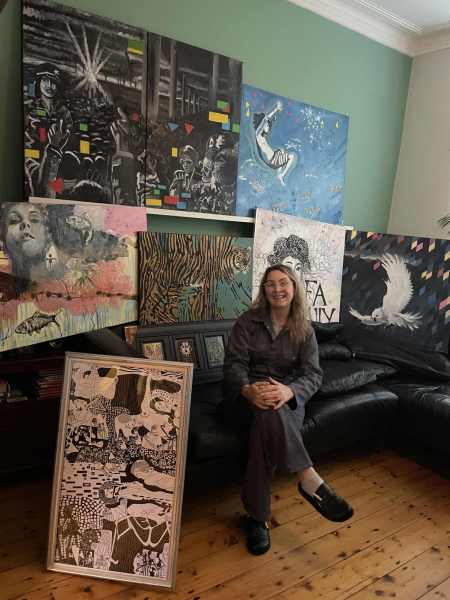
A pivotal moment occurred when, at the age of twelve, I endured a traumatic incident of assault and rape by a stranger in a car. This experience, combined with my tumultuous upbringing, caused me to mature at a different pace than my peers. I lacked the support necessary for growth, and the assault disrupted my ability to engage in relationships; I didn’t feel ready for romantic pursuits until my early twenties.
Navigating Relationships and Objectification
The media often portrays women in a limited and objectified manner—a theme I confront directly in my journal on feminism. I reject this objectification. It is essential to value women as individuals with thoughts and agency, not simply as aesthetic ideals. The pressure to conform to narrow standards of beauty is fundamentally damaging.
In my search for a genuine partner, I was let down—even by those in respected roles, such as teachers and social workers. Societal pressures and media influence distort how we form connections, pushing shallow ideals like status to the forefront. True connection requires more than these surface-level markers, as I explore in my reflections on Self Love.
Women are not just about sex. Our lives are rich, full of depth and purpose. It’s time we dismantle the belief that a woman’s worth is tied solely to her sexuality—a reality I explore further in “‘FEMINISM’ That Word That Causes a Stir.”
The Population Machine and Global Motives
Sometimes, I ponder the underlying motives guiding our society. There is an overwhelming pressure on young individuals to focus on procreation. It’s as if society has reduced the purpose of human existence to this alone. David Attenborough has suggested that overpopulation strains our resources, proposing that empowering women with control over their bodies is key to addressing this. This thought prompted me to look at alternative structures, such as the Kibbutz, which offer different solutions for living.
As I’ve grown older, marked by the trauma of my assault and my struggles with endometriosis, I look at global conflicts orchestrated largely by older white men. Is there an attempt to create a larger population simply to fuel economic interests and supply soldiers for their battles? War inflicts immeasurable pain, causing nations to treat individuals as mere resources. This leads to environmental devastation, affecting women’s health and the very survival of wildlife.
The Weaponisation of Sex
In patriarchal systems, sex is often portrayed as a tool for dominance, not connection. From mainstream media to military propaganda, it is wielded as a means of manipulation or reward—reducing it to a transaction or a conquest. This dehumanises everyone involved and reinforces deep-seated inequality.